

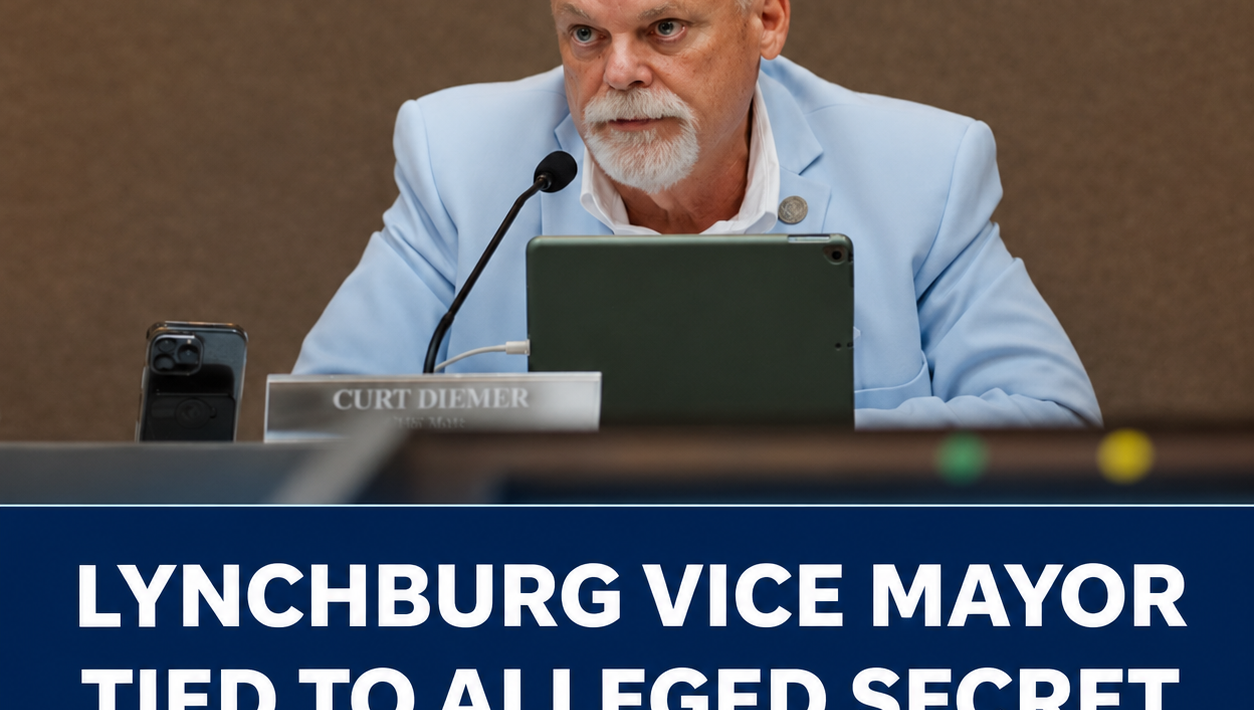
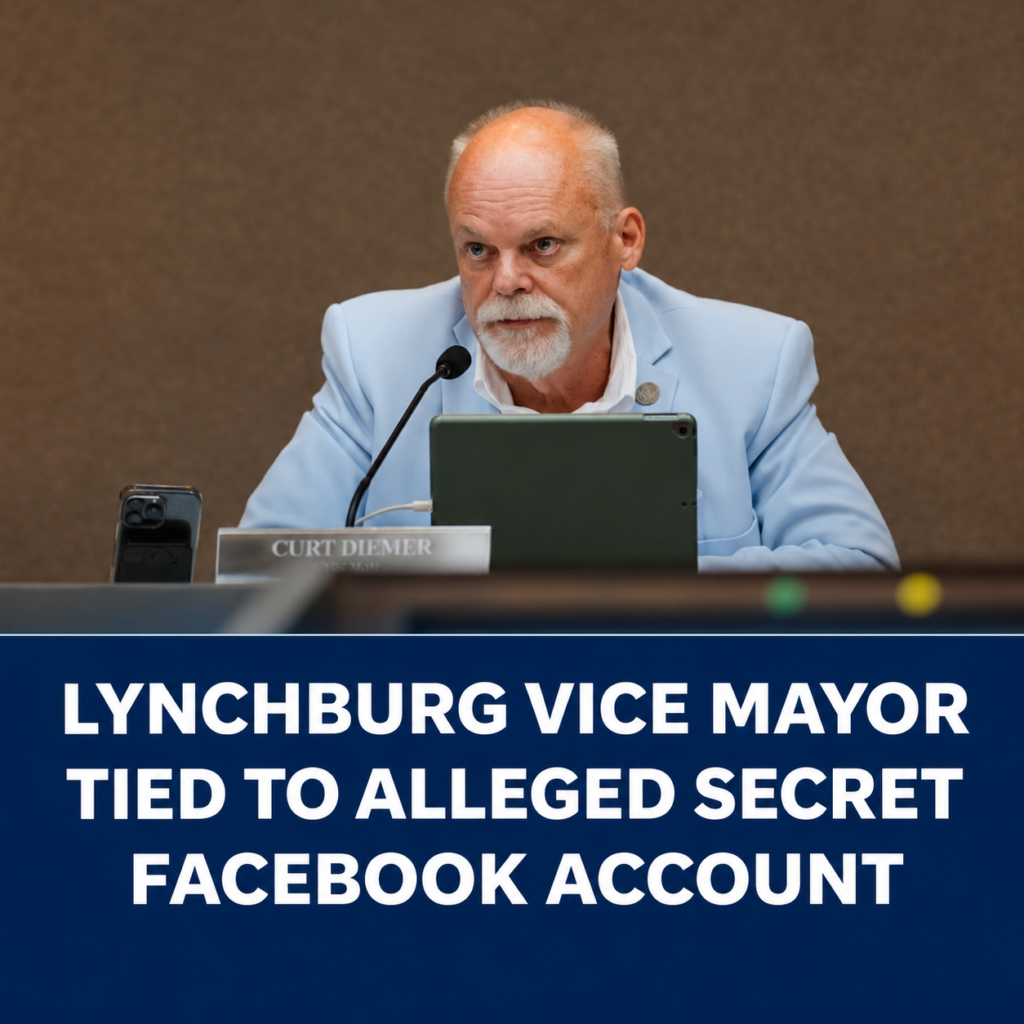
LYNCHBURG, VA — A controversy is unfolding in Lynchburg after Vice Mayor Curt Diemer was publicly accused of operating a Facebook account under a different name to participate in local political discussions, criticize fellow city officials, and even post flattering comments about himself.
And apparently, a rock concert may have helped expose the alleged account.
According to reporting published Saturday, October 31, the Facebook profile operating under the name “Jordan Jones” came under scrutiny after photographs from a recent Rush concert in Washington, D.C., appeared on the account.
The photographs reportedly showed Diemer attending the concert while wearing Ray-Ban Meta smart glasses.
Councilman Chris Faraldi publicly accused Diemer of operating the account, sharing screenshots and pointing to more than 200 comments allegedly made under the Jordan Jones name on Lynchburg’s official Facebook page and livestreams of City Council meetings.
Some of those comments reportedly criticized fellow council members, weighed in on local political disputes, and praised Diemer’s actions.
In one particularly unusual example, the account reportedly commented on a situation involving a water outage at a Lynchburg apartment complex, appearing to speak as though the person behind the account lived there.
The account also posted favorable remarks about Diemer and criticized other local political figures.
When questioned about whether he had written a post under the Jordan Jones name while pretending to be an apartment resident, Diemer reportedly responded, “No comment.”
He also declined to address Faraldi’s broader allegations about the account.
The accusations have raised questions about transparency, online anonymity, and how elected officials interact with residents and political opponents on social media.
At this point, the account’s ownership has not been independently established, and the accusations remain disputed rather than proven.
WHAT DO YOU THINK?
Should elected officials be allowed to use anonymous Facebook accounts to participate in political discussions, or should they be expected to identify themselves when commenting on public matters?