

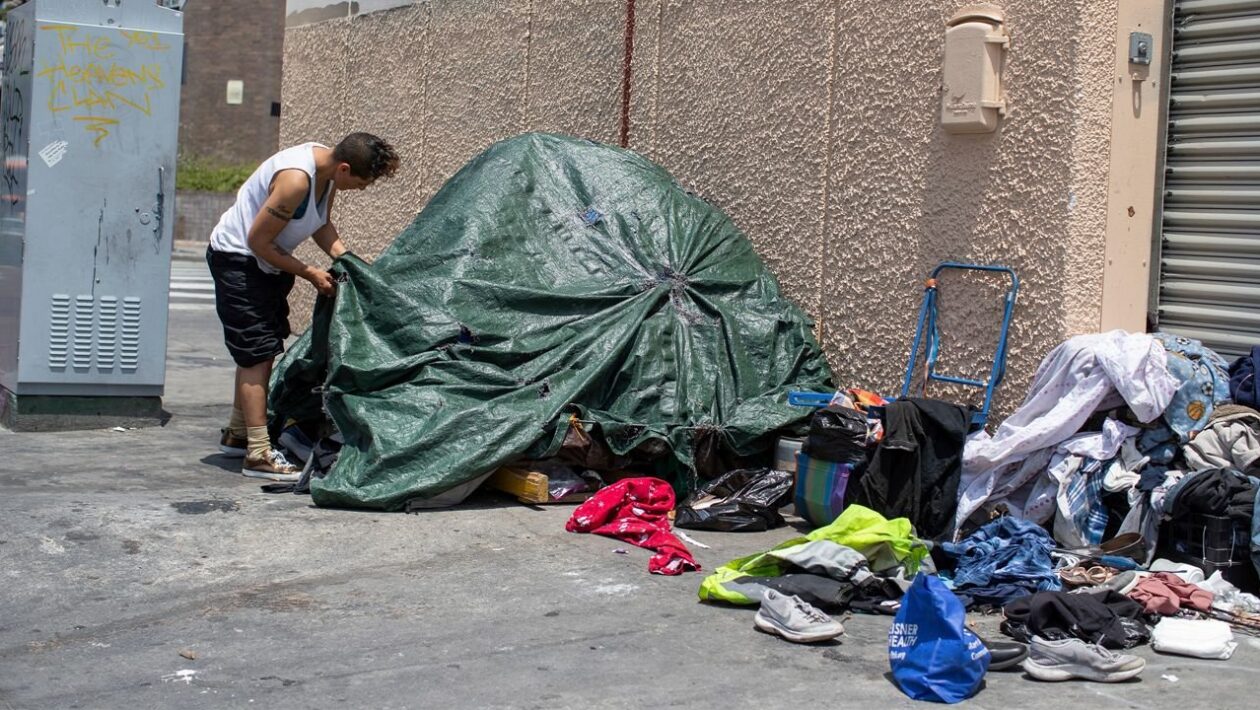
For many longtime Roanoke Valley residents, Southeast Roanoke wasn’t always the place it is today. Decades ago—especially in the 1990s—Southeast was a tight-knit part of the city where families looked out for each other, kids played outside, and the worst trouble you’d usually see was a schoolyard argument or some teenage drama that fizzled out by the next day.
But today, the picture is drastically different.
Over the past decade, Southeast Roanoke has undergone a sharp decline, becoming one of the most troubled areas in the region. What was once a walkable, community-driven neighborhood has grown into a hotbed of drug activity (especially meth, fentanyl, and polysubstance use), homelessness, and violent crime. Encampments have appeared in wooded areas, behind businesses, and along major roadways. Residents frequently report overdoses, fights, stabbings, and even homicides—including the recent deadly shooting in a Southeast Roanoke parking lot that stunned the community.
And all of this sits just feet away from the Town of Vinton.
A Border Without a Wall—But Closely Watched
Vinton and Southeast Roanoke share an invisible boundary—no fences, no gates, no physical deterrent. Yet anyone familiar with the area knows something changes the moment you cross that line. Many locals joke that it’s like there’s a “force field” around Vinton because the problems that spill across Southeast Roanoke’s streets seem to hit a wall right at the town’s edge.
That’s not magic.
That’s the Vinton Police Department.
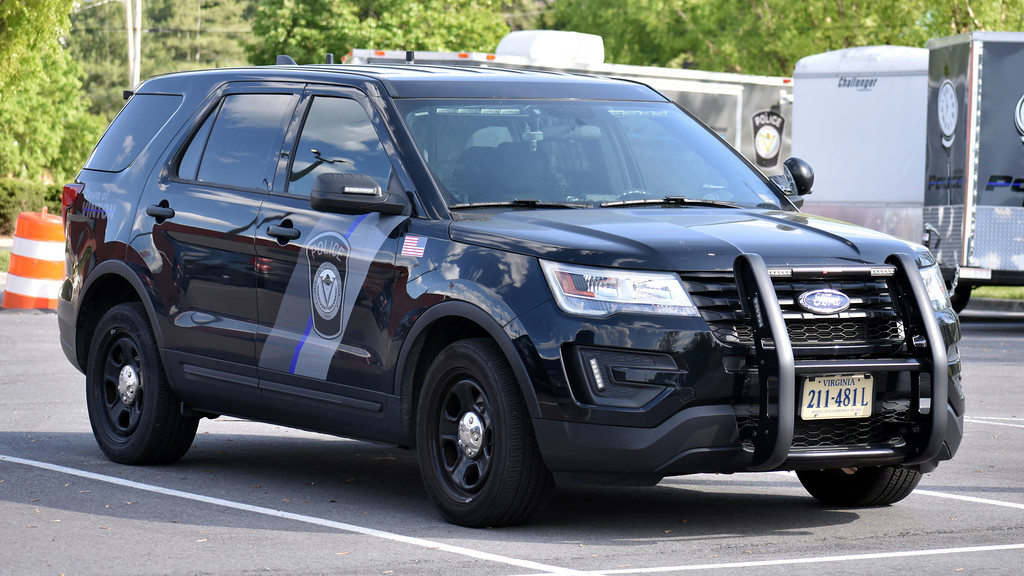
For years now, Vinton Police have quietly—but aggressively—monitored the two primary access points between Southeast Roanoke and Vinton:
- Elm Avenue / East Washington Avenue
- Virginia Avenue / 13th Street corridor
These areas serve as gateways between the two communities, and officers consistently patrol, observe, and respond. Their presence is not subtle—it’s strategic. Officers know the patterns, the foot traffic, the vehicles, and the individuals who regularly attempt to move through the area.
Locals often mention that individuals from Southeast Roanoke will approach the Vinton line… and then turn around. Word travels fast. Vinton is not a place where drug activity, loitering, or encampments are tolerated.
Homeless Encampments Near Vinton’s Threshold
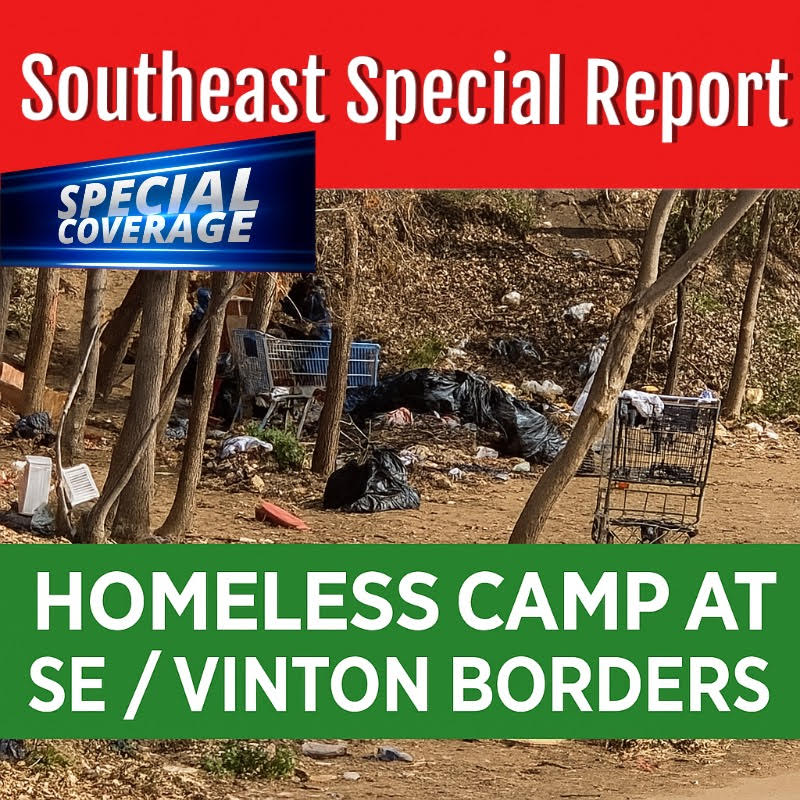
In the past few years, several makeshift camps have been discovered in the wooded areas just before entering Vinton from the Southeast side—particularly near grocery stores, small businesses, and high-traffic roads. These encampments have been linked to:
- Repeated overdoses
- Violent altercations
- Stabbings
- Property crimes
- Drug trafficking activity
- Mental health emergencies
Many Vinton residents have no idea how close these situations truly are—sometimes only a few hundred yards from town limits.
What Happened to Southeast Roanoke?
Talk to anyone who grew up in the area, and you’ll hear a similar story:
Southeast used to be safe, friendly, and full of pride.
But between the rise of methamphetamine in the early 2010s, economic decline, shifting housing patterns, and the nationwide fentanyl crisis, the area changed dramatically.
As resources struggled to keep up with growing addiction and homelessness, Southeast became overwhelmed. Good people still live there—families, workers, grandparents, and longtime residents who care deeply—but they’re now surrounded by conditions they never imagined for their neighborhood.
Big Country Speaks Out!
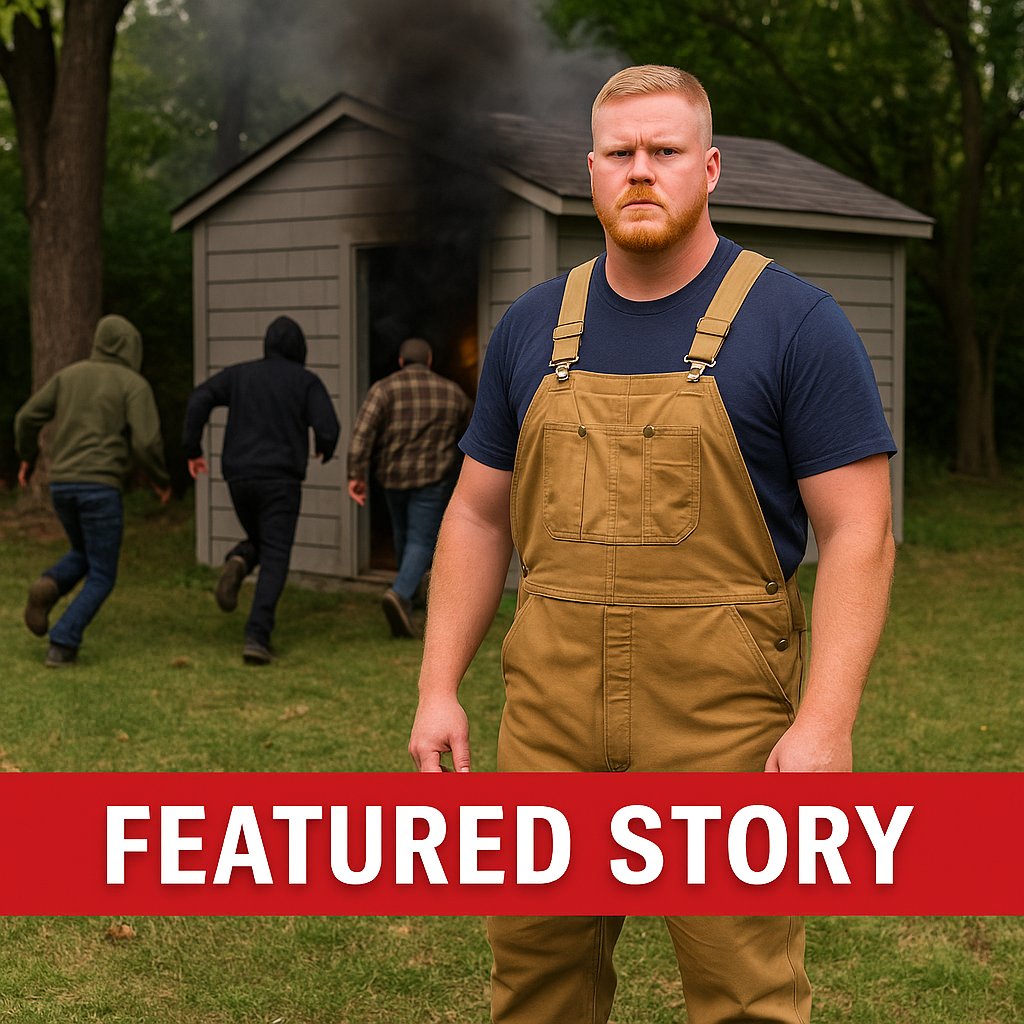
One longtime (former) Southeast Roanoke resident, known locally as “Big Country,” recently moved his elderly mother out of the neighborhood after a series of frightening encounters. Homeless individuals and drug users had repeatedly slipped onto her property, sometimes sleeping inside her backyard shed. They even cut a hole through the back wall of the shed to come and go without being seen. In one incident, a group using drugs inside the structure accidentally started a fire, and Big Country happened to arrive just in time to see smoke rising and prevent the blaze from spreading. This is just one example of how quickly conditions in Southeast Roanoke have deteriorated—and how even longtime, deeply rooted families are being forced to flee for safety.
Why Vinton Has Stayed Stable
Vinton is not free from problems — but compared to the hard-hit Southeast Roanoke side it borders, the town has remained remarkably protected.
This stability can be attributed to several factors:
1. A proactive and highly present police force
Vinton officers patrol the border corridors constantly, deterring spillover before it starts.
2. Quick response and zero-tolerance for illegal encampments
Vinton moves swiftly to address camping, drug activity, or trespassing before it becomes entrenched.
3. Strong community reporting
Vinton residents are proactive about reporting suspicious activity, unusual foot traffic, or loitering.
It creates a network of awareness.
4. Small-town enforcement mindset
Vinton treats every issue like it matters — because in a small town, it does.
A Crisis Bordering on Two Realities
The difference between Southeast Roanoke and Vinton is stark—sometimes shockingly so.
On one side:
Encampments, drug use in broad daylight, violent incidents, and a neighborhood overwhelmed by addiction and crime.
On the other side:
A relatively calm town environment where families walk downtown, businesses operate safely, and police are seen as a steady presence.
The border between these two worlds is only a few lanes of asphalt wide.
What Comes Next?
Southeast Roanoke’s crisis isn’t just a Roanoke City issue—it’s a regional issue. As conditions worsen, surrounding communities like Vinton, Bonsack, and East Roanoke County will continue to feel the pressure.
While Vinton’s vigilant policing has kept trouble at bay, it raises a bigger question:
How long can one small town hold the line while an entire region struggles with addiction, homelessness, mental health emergencies, and escalating violence?
The situation demands serious attention—from local governments, community leaders, and residents who care about the valley’s future.
Until then, the invisible barrier between the two communities remains one of the most watched—and most misunderstood—lines in the Roanoke Valley.
“What Happened to Southeast Roanoke?”
Gee, you think it could have been the mismanaged Rescue Mission?
I see it didn’t get a mention in your article, but it is still the big elephant in the room.
I would have loved for you to have discussed one of the major impacts on the deterioration of the South East area of our city, the Rescue Mission. This agency’s presence in SE has increased the foot traffic of the homeless, people with drug addiction, and severe mental health issues. People who, in states of crisis, can be dangerous and unpredictable. They migrate to the area with the hope of getting help and end up staying, squatting, finding shelter in encampments, and walking the streets. This has driven down property values and made it a place where it is not as safe to walk and play as it once was. This spreads like a blight. It takes a short drive through the surrounding area to see the impact.
I do not doubt for one minute, the hard and diligent work of the Vinton police force, but how many homeless or addiction related services are located within the Vinton limits? I have not researched this but my guess would be few to none.
As a resident of the Old SW neighborhood which, by the way, currently has about 18 homeless/drug related service providers, I would love to see someone speak honestly about the impact clustering these services within neighborhoods has on the surrounding area. As the number of homeless people increases in Highland Park, which serves as the playground for the elementary school, how can we ensure the safety of students and staff? Residents wait and watch with trepidation as homeless encampments increase, and more people with obvious mental health issues walk the streets. We wait for the completion of the RAM House and what will surely be an increase in foot traffic, loitering, squatting, and drug dealing, all the things currently plaguing SE. People are already selling off property surrounding the new location, this is how things begin.
These services are desperately needed, people are struggling in so many ways. The answer to that overwhelming problem is not going to be solved by any one or eighteen service providers. What can be solved is the location of these desperately needed services. With careful and progressive city planning, services can be located outside of neighborhoods in areas that can still be accessed by people without transportation. It would take a lot of work and time but I believe it could be done.
To begin the process, we must be brave enough to say out loud “I do not want this in my neighborhood.” I can care about my fellow man and contribute to improving their devastating condition without wanting to destroy my neighborhood, It is not an all or nothing condition. You can care about others while wanting to live in a safe and secure environment and you shouldn’t have to apologize for that.
I thank you for your article and encourage you to dive a little deeper into one of the significant influences on our neighborhoods.