

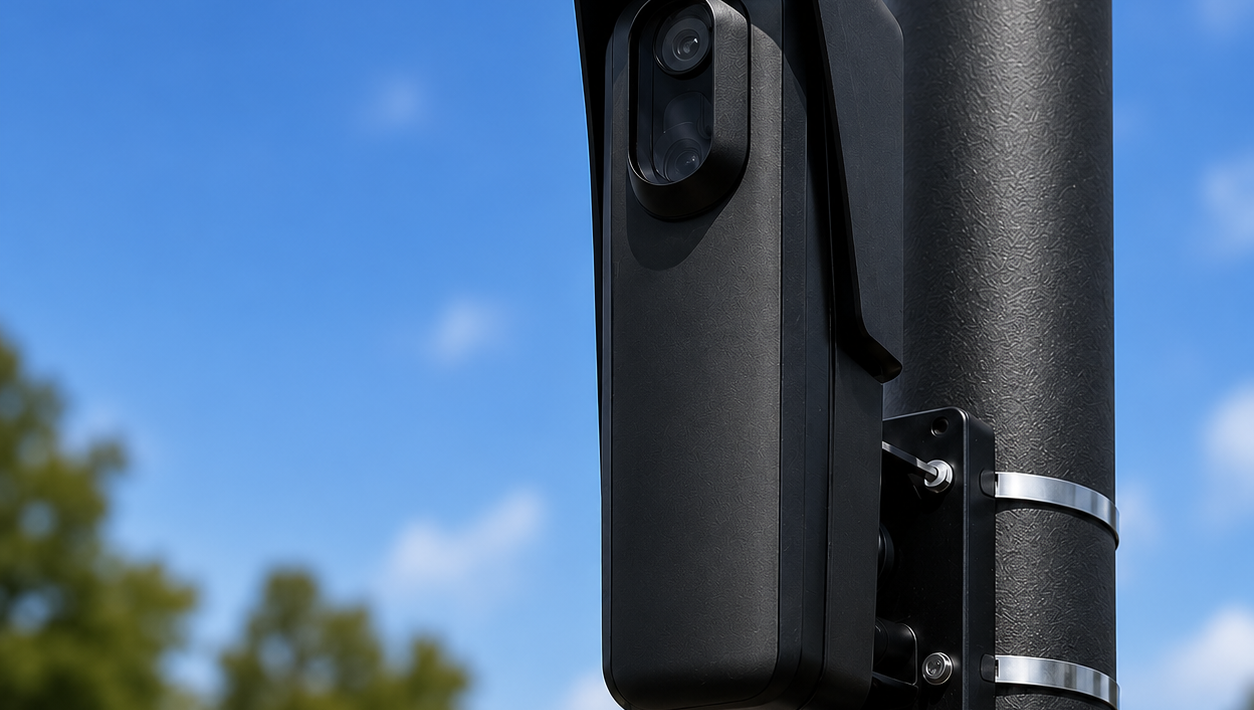
Three police officers in Fayetteville, Georgia, have been fired after an internal review found they allegedly used the city’s Flock camera system to search license plates for reasons that had nothing to do with police work.
According to the department, the officers looked up their own plates and plates connected to friends or family members. Officials said the searches were discovered while testing a new auditing feature that tracks how officers use the system.
The officers were first placed on administrative leave and later terminated. Their names have not been released, and the department said it would not speculate about why the searches were made. The Georgia Bureau of Investigation has now been asked to look into the matter, although no criminal charges have been announced.
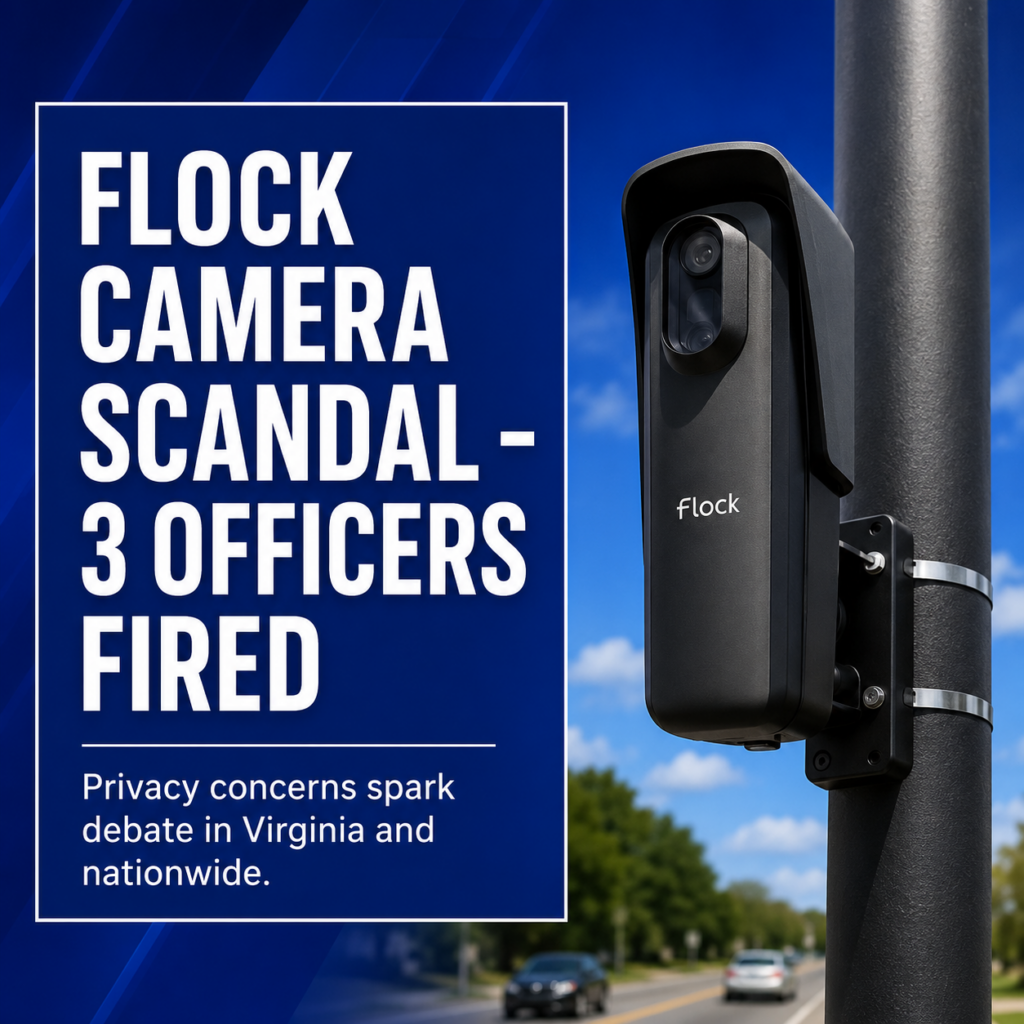
The incident is getting attention far beyond Georgia because Flock cameras are already being used by police departments and local governments across the country, including communities here in Virginia.
These cameras automatically scan license plates and record details about vehicles passing through an area. Police say the technology can help locate stolen cars, identify suspects and solve crimes faster.
But cases like this raise a question many people have been asking since these cameras started appearing along public roads: Who is watching the people with access to the system?
Vehicle information collected by the cameras may remain in a database for weeks and can sometimes be shared with a large network of outside law enforcement agencies. That means a person’s vehicle could potentially be tracked across multiple communities without the driver ever knowing it happened.
Supporters of the technology say there are policies, search logs and auditing tools designed to prevent abuse. In this case, an audit is reportedly what uncovered the questionable searches.
Critics argue that the system still places a tremendous amount of information in the hands of government agencies and individual officers. Even when most officers use the cameras properly, unauthorized searches can damage public trust and leave residents wondering how often misuse may go undetected.
This was also not the first recent incident involving officers accused of improperly accessing Flock data. Other law enforcement employees in Georgia have reportedly been fired or arrested in separate cases involving searches unrelated to official investigations.
The growing camera network has also led to protests around the country from people concerned about privacy and mass surveillance. In one Georgia county, authorities recently reported that several camera poles were damaged and their solar equipment was cut.
Damaging public property is not a legitimate form of protest, but the anger behind these incidents shows how deeply divided the public has become over this technology.
That same conversation is likely to continue here in Virginia as more communities consider adding automated license plate readers. Residents may want to know how long their information is stored, which agencies can access it, whether every search requires a case number and what happens when an officer violates the rules.
Flock cameras may be useful in solving crimes, but powerful technology also requires strong oversight. Without transparency and meaningful consequences for misuse, the same system designed to improve public safety could also become a serious threat to personal privacy.
What are your thoughts? Are Flock cameras a valuable crime-fighting tool, or are they creating a surveillance network that gives government agencies too much access to the movements of ordinary citizens?