

By The Vinton Voice
February 2026
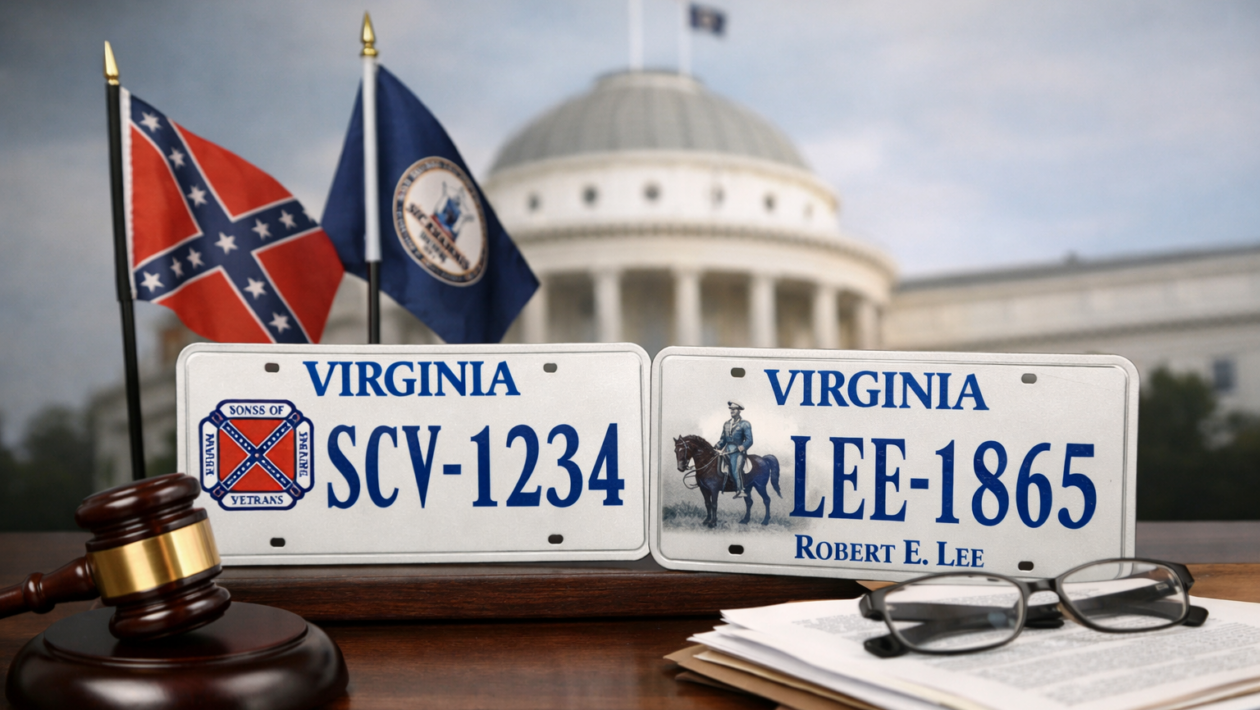
RICHMOND — The Virginia House of Delegates voted this week to remove certain state tax exemptions from several organizations historically associated with the Confederacy. In a related move, a House subcommittee also advanced legislation that would end the issuance of specialty license plates honoring the Sons of Confederate Veterans and Confederate General Robert E. Lee.
The measures are part of ongoing efforts by lawmakers to reassess state involvement with Confederate-linked symbols and organizations. Supporters say the changes reflect evolving public expectations and modern state values. Opponents argue the proposals unfairly target heritage groups and diminish long-standing traditions important to many Virginia families.
Tax Exemptions Under Review
The House approved legislation aimed at eliminating state-level tax exemptions previously granted to certain Confederate heritage organizations. These exemptions have historically included benefits related to property and recordation taxes.
Supporters of the bill argue that state tax advantages should not apply to organizations tied to the Confederacy, stating that public policy should align with present-day values and ensure fairness in the tax code.
Critics counter that removing exemptions from specific groups sets a precedent of selective treatment. Some say the move politicizes nonprofit tax status and raises concerns about how the state determines which organizations qualify for special recognition or exemption.

Specialty License Plates Debate
In addition to tax policy changes, lawmakers are considering ending the issuance of two specialty license plates — one for the Sons of Confederate Veterans and another featuring Robert E. Lee. These plates have been available to Virginians for decades through the Department of Motor Vehicles as part of the state’s specialty plate program.
Supporters of the proposal say state-issued plates carry official endorsement and should reflect values shared broadly across the Commonwealth. They argue that discontinuing the plates does not prevent private citizens from honoring their ancestry but removes state association with Confederate imagery.
Opponents, including some heritage group members and veterans, say the plates represent family history and remembrance rather than political ideology. They argue that eliminating the plates could be viewed as erasing history rather than addressing it through education and dialogue.
A Broader Conversation in Virginia
The debate highlights a continuing conversation in Virginia about how the Commonwealth acknowledges its Civil War history. Over the past several years, the state has removed Confederate monuments, renamed schools and public buildings, and reconsidered other historical recognitions.
For some Virginians, these changes are long overdue. For others, they represent a shift away from preserving historical memory in its full complexity.
What Comes Next
The legislation must still move through additional legislative steps before becoming law. If approved by both chambers of the General Assembly, the bills would then go to the Governor for consideration.
As discussions continue in Richmond, reactions across Virginia remain mixed. Many residents support distancing the state from Confederate associations, while others believe the measures go too far and unfairly single out certain groups.
The issue is likely to remain a topic of debate as lawmakers weigh historical legacy, public sentiment, and the role of state government in recognizing heritage organizations.